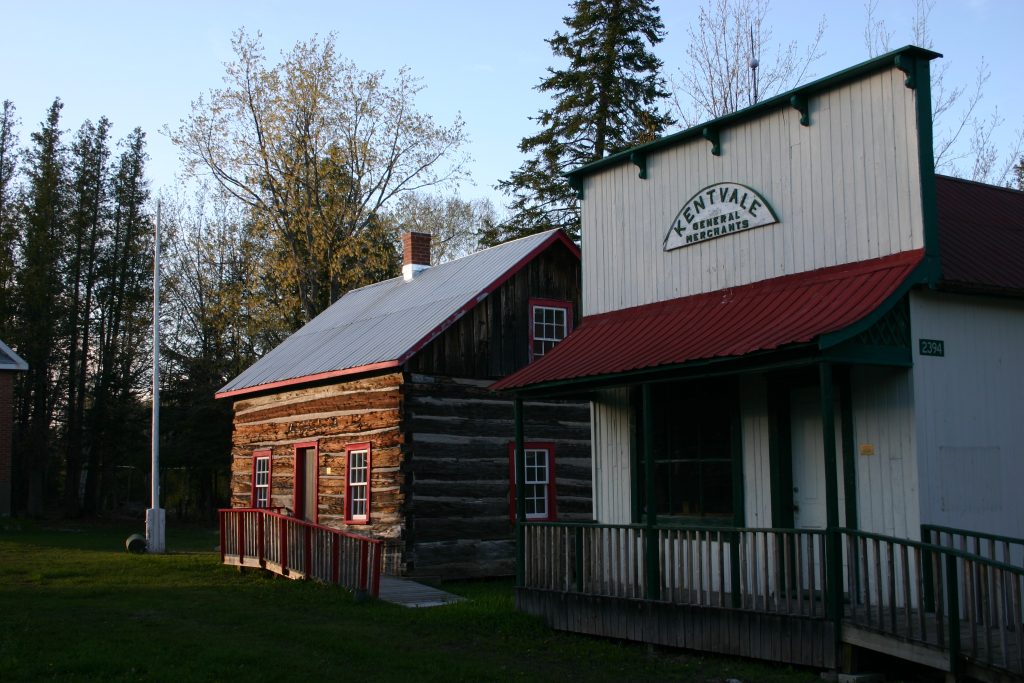
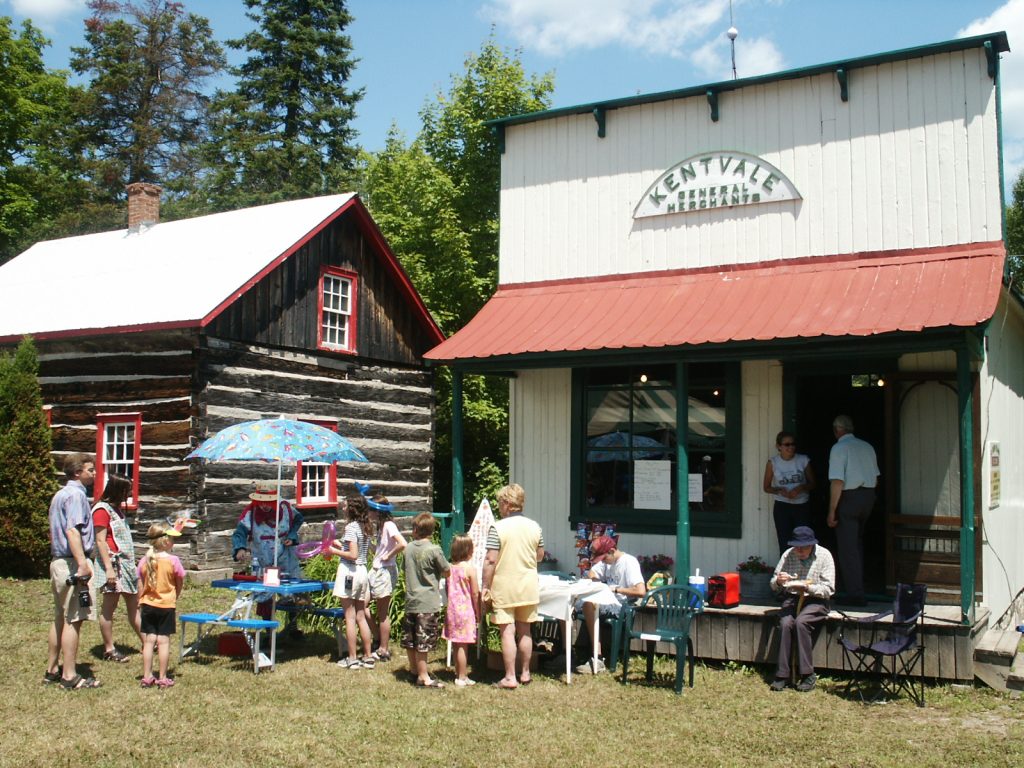
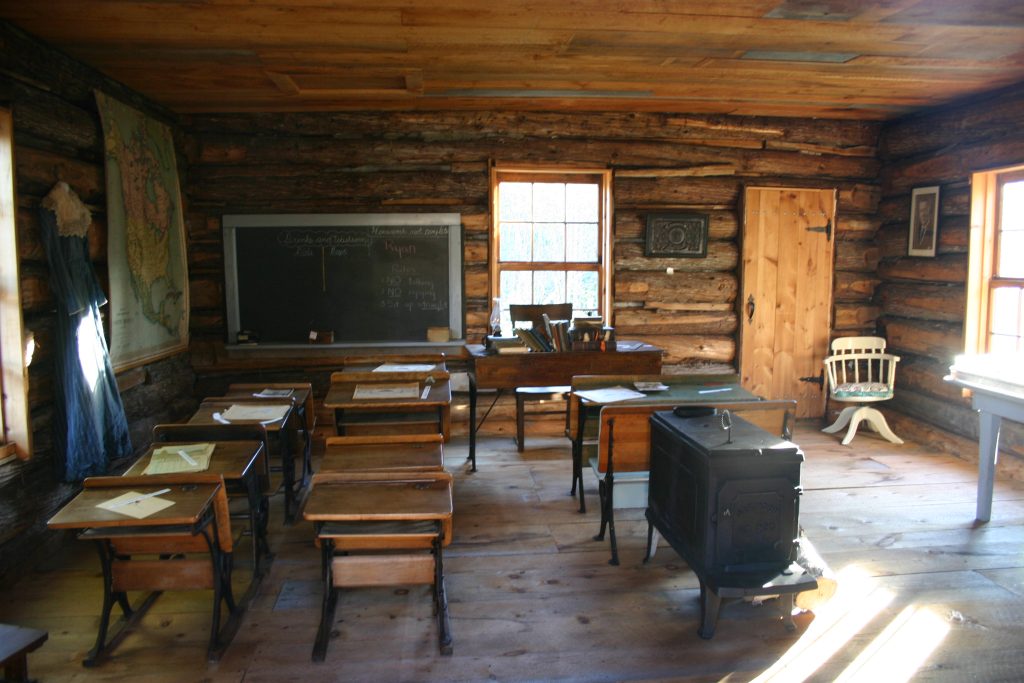
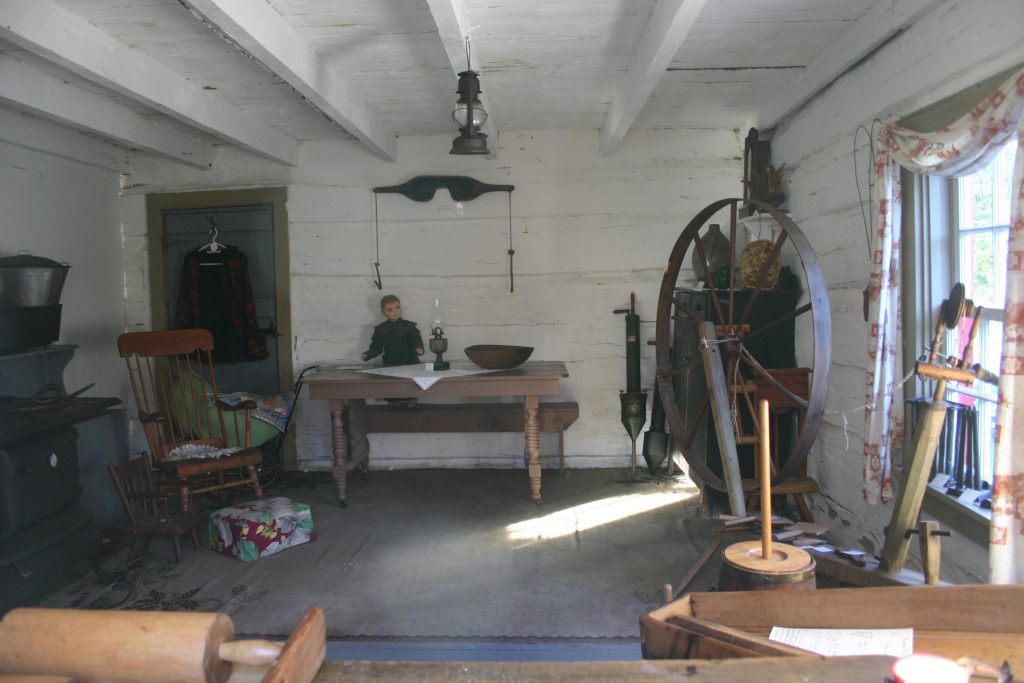
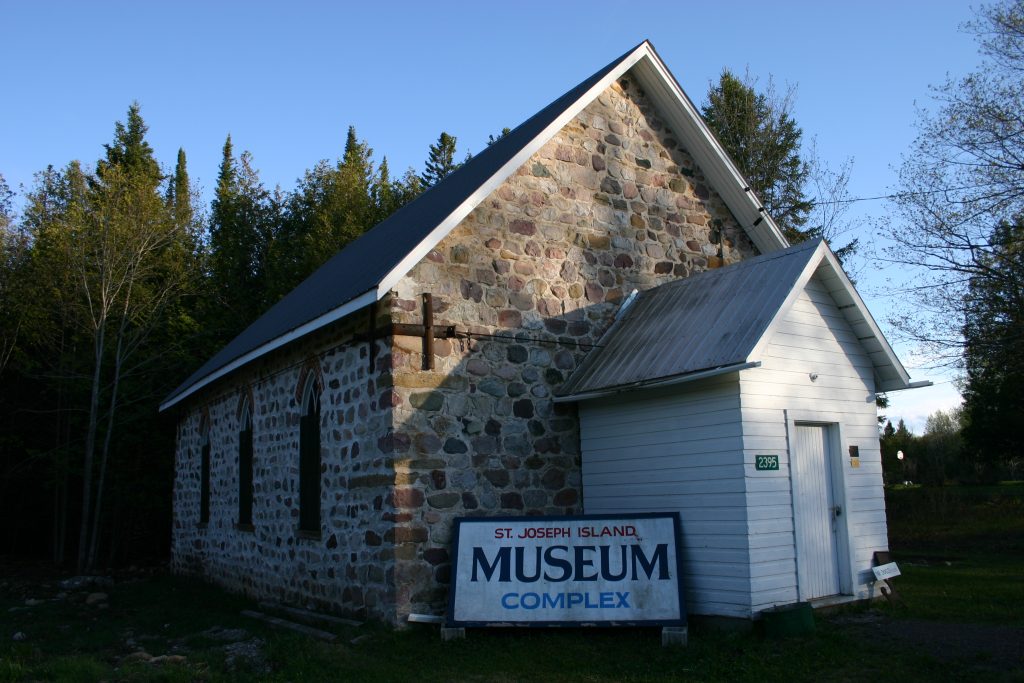
Founded in 1963 by the Historical Society, the St. Joseph Island Museum has over 7000 artifacts in 6 buildings covering over 200 years of Island History. The progression of the Island is represented in four time periods: native encampments to Fort St. Joseph (1798-1814); pioneer settlements (1835-1890); to a period of almost complete private ownership by 1890; and the depression and war years (1900-1945).
Our Historical Buildings
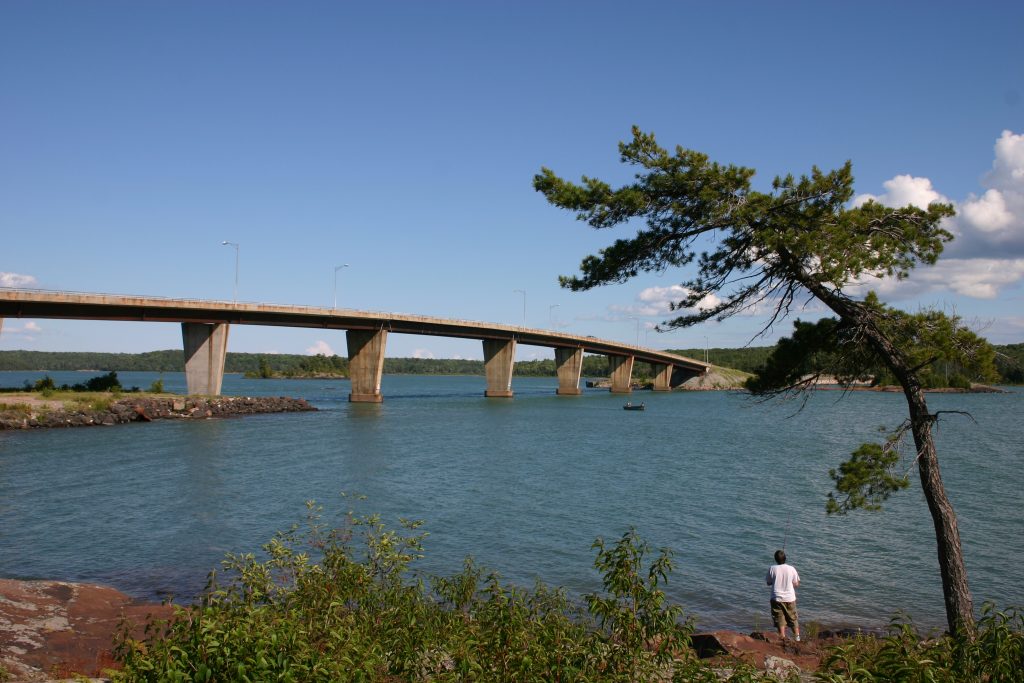
Located in the St. Mary’s River downstream from Sault Ste. Marie, Ontario, St. Joseph Island is a land rich in history dating back to the fur trading days of the 1700s.
The Island is 99,000 acres in size, making it the second-largest freshwater island in the world. It forms the western tip of the Niagara Escarpment, and is surrounded on the west, south and east by The United States. This made for some colourful military history on the Island, which all started with the construction of Fort St. Joseph.
Constructed by British forces on the southernmost point of the Island in 1776, The Fort was the most westerly British post in Upper Canada during a turbulent time. It also formed a key link along fur trade routes to the northwest, with Chippewa natives frequenting the area for maple syrup and fishing.
Fort St. Joseph became a rallying point as soon as the United States declared war on Great Britain in June 1812. The garrison commander, Captain Charles Roberts, knew that his fort was vulnerable and decided that his best defence was a good offence. On July 17, leading a force of about 40 regular soldiers, 150 Canadians and 300 Native people, Roberts captured the American fort on Mackinac Island, thereby serving notice to the American garrison that war had been officially declared.
Later, in 1814, the Americans retaliated and burned Fort St. Joseph to the ground. Today, the excavated ruins remain open to the public as a National Historical Site operated by Parks Canada.
In 1855, a survey of the Island was made by T.N. Molesworth and in 1868 the Homestead Act was passed. People learned about free land on St. Joseph Island through newspaper advertisements in the London Free Press. The greatest influx of settlers came between 1874 and 1882.
John Richards moved from Sault Ste. Marie in 1876 and founded the village of Richards Landing. John Marks moved from Bruce Mines in 1878 and founded Marksville, which incorporated as the village of Hilton Beach in 1923.
Over the years, the Island has developed into a popular tourist destination, attracting boaters and vacationers from all over the world. Our largest industries include maple syrup production, with Ontario’s largest producer calling St. Joe home.